


UPSP Scholarship Partners
UPSP Scholarship Partners
This is a short sentence providing context for the information appearing.
ARCS2
The FAMU Foundation is a living organization that is vital to the progress of the university. The Foundation functions through its Board of Directors, institutional constituents, and community donors.
United States Department of Agriculture
The USDA, or U.S. Department of Agriculture, oversees farming, food safety, and nutrition programs. It supports farmers, regulates food production, and manages conservation efforts.
USDA Forest Service (FS)
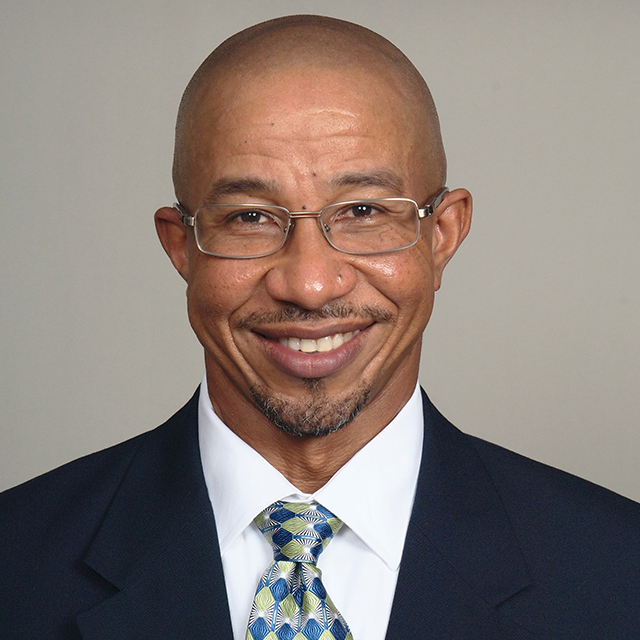
Dr. J. M Grace III is a General Engineer with the USDA Forest Service-Southern Research Station (SRS), Center for Forest Watershed Research in Tallahassee, Florida. He serves as the Program Manager / Coordination Lead for the SRS-HBCU Programs @ Florida A&M University, Tuskegee University, and Alabama A&M University. He also serves as the lead scientist for the Chipola Experimental Forest near Clarksville, FL and Graduate Faculty in the College of Agriculture and Food Sciences at Florida A&M University. He earned a B.S. in 1994 and M.S. in 1996 in Agricultural Engineering from Auburn University and earned a Ph.D. in 2004 in Biological and Agricultural Engineering with a minor in Water Resources from N.C. State University. He has been an active member (since 1994) of the American Society of Biological and Agricultural Engineers where he has held numerous leadership posts within the professional society over the past 20 years.
Expertise Areas
· Biological and Agricultural Engineering
· Soil Physics – Vadose Zone, Sat. Hyd. Conductivity, Porosity, & SWC
· Forest Road Infrastructure & Hydrology
· Surface & Subsurface Water Resources
· Soil Erosion Mechanisms & Prediction
Contact information:
USDA Forest Service
Center for Forest Watershed Research-Tallahassee, Southern Research Station
1740 S. Martin Luther King Jr. Blvd., Perry-Paige Bldg., Suite 303 North, Tallahassee,
FL 32307
P: (850) 412-7383
Mobile: (251) 230-5349
Email: johnny.m.grace@usda.gov
USDA Office of Partnerships and Public Engagement (OPPE)
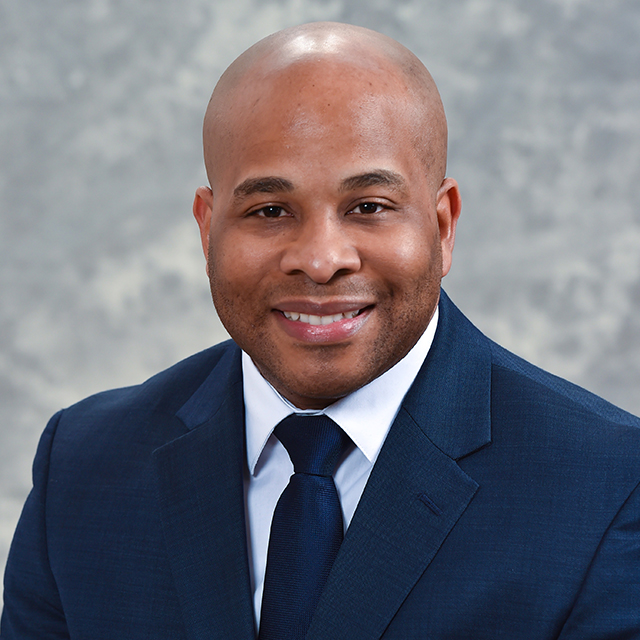
George Montgomery has served the public through the United States Department of Agriculture for 24 years. As Mississippi's native son, he was born and raised in Lexington, MS. His has a storied career with the USDA-Natural Resources Conservation Service and Risk Management Agency. Currently, he is serves under the USDA - Office of Partnership and Public Engagement in Tallahassee, Florida as a USDA Program Liaison through a partnered relationship with Florida A&M University. He works to draw connections between the administration, extension outreach and USDA programs through this established partnership. His academic background is rooted in Agricultural Studies. He received a B.S. degree in Agronomy at Alcorn State University and M.S. Degree in Soil Science, concentrating in Soil Physics, from the University of Arkansas.
USDA National Institute of Food and Agriculture (NIFA)
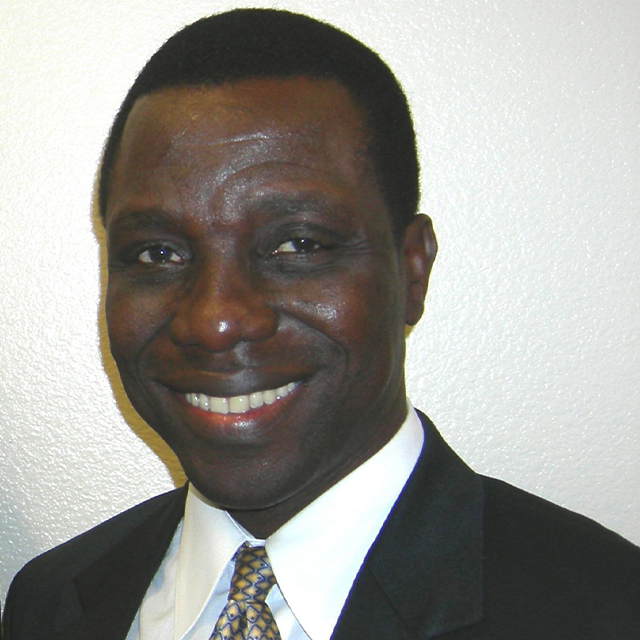
Dr. Lambert H. B. Kanga is Professor of Entomology and Director of the Center for Biological Control. He is a renowned researcher in agricultural entomology and has led innovation and development of alternative pest management strategies to conventional insecticides. He has demonstrated transformative research coupled with a high degree of originality and productivity on a wide range of entomological problems. His area of expertise includes Biological Control, Insect Toxicology, Insect Ecology, Insect Pathology, Medical and Forensic Entomology, Molecular Biology, Biochemistry, and Statistics. His breadth of research capability spans from basic to applied and he has conducted scholarly research programs in different environmental settings (cotton ecosystems, tree fruit ecosystems, honeybee environments, aquatic ecosystems, forest ecosystems, and public heath). Dr. Kanga’s research successes have been recognized by several prestigious awards and honors. He has provided stakeholders with information about his research findings through media outlets such as the National Public Radio, the American and Society for Microbiology (World Microbe), the Spanish channel, and the Black News Chanel on issues related to honeybees and invasive pest species.
USDA Natural Resources Conservation Service (NRCS)
At the Natural Resources Conservation Service, we have a proud history of supporting America’s farmers, ranchers, and forest landowners.
For more than 80 years, we have helped people make investments in their operations and local communities to keep working lands working, boost rural economies, increase the competitiveness of American agriculture, and improve the quality of our air, water, soil, and habitat.